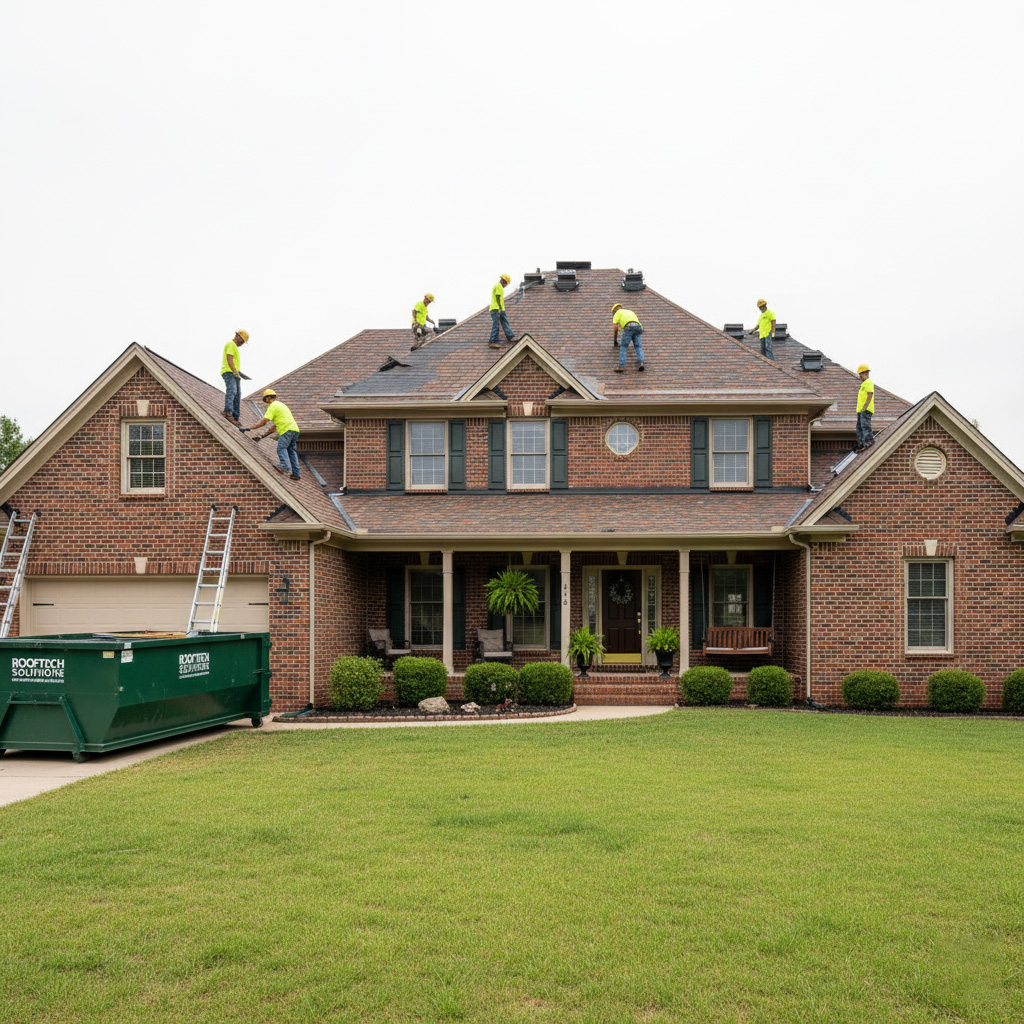


⚡ TL;DR: Learn how Roof Ventilation Installation in Newark, NJ prevents leaks from poor airflow in humid climates, with signs to spot, system types, and steps for professional setup.
📋 What You’ll Learn
In this guide on roof ventilation installation in Newark, NJ, you'll learn how to prevent leaks from poor airflow, spot issues early, select ideal systems, and ensure pro installation protects your home long-term.
- Understand how poor ventilation causes leaks in Newark's humid climate, leading to ice dams, shingle damage, mold growth, and costly water intrusion that weakens roof structures over time.
- Spot early warning signs like attic heat buildup, moisture stains, curling shingles, and high energy bills to catch ventilation problems before they escalate into major roof failures.
- Explore essential ventilation types suited for Newark roofs, including ridge vents, soffit vents, and powered fans that balance intake and exhaust for optimal airflow and durability.
- Prepare for professional installation by knowing the step-by-step process, what to expect from local experts, and real Newark case studies of ventilation rescues saving homes from ruin.
📖 Reading time: 7 min
✍️ Author expertise: Newark roofing pro with 20+ years of hands-on ventilation installs in local homes.
Imagine waking up at 2 a.m. to water dripping from your bedroom ceiling after a brutal Newark thunderstorm. That tiny roof leak just turned your sanctuary into a soggy nightmare, and it's spreading fast.
Blame it on poor roof ventilation trapping hot, moist air up there, breeding condensation that rots your shingles from the inside out. Here in Newark, our humid summers and ice dams in winter make this a ticking time bomb for every homeowner.
The good news? Installing proper roof ventilation stops leaks before they bankrupt you on repairs. Let's dive into how it works and why it's your first move against roof ruin.
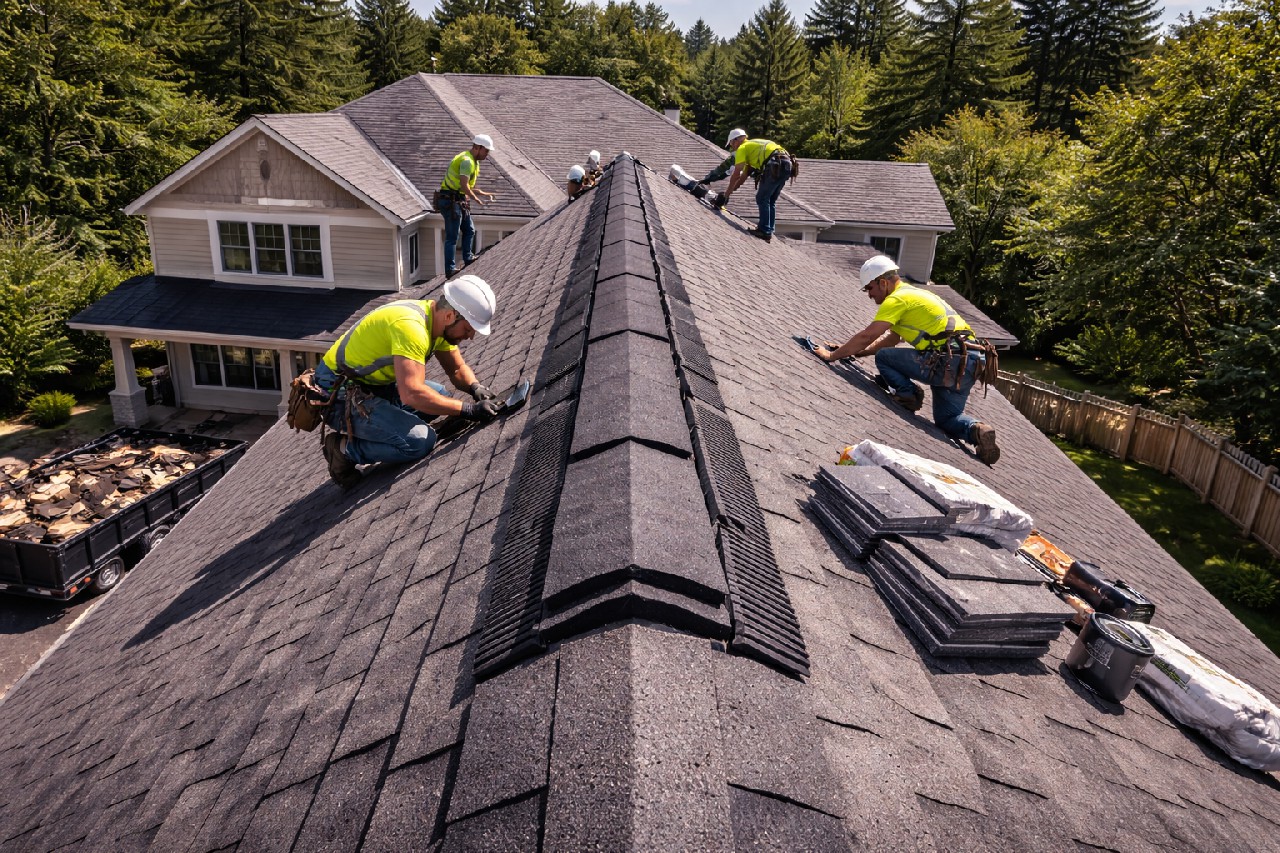
How Poor Roof Ventilation Causes Leaks in Newark's Humid Climate
Newark's sticky summers pump hot, humid air straight into your attic. Without enough vents, that air stalls out up there. It cools at night, dumps moisture everywhere, and soaks your roof deck like a sponge.
Come winter, things get worse. Snow melts from trapped attic heat, refreezes at the eaves, and forms ice dams. Water backs up under shingles, sneaking inside to rot your framing.
Key Ways Ventilation Fails You
- Condensation buildup: Turns wood to mush over time.
- Shingle granulation loss: Heat speeds up wear, cracks appear fast.
- Mold and mildew party: Thrives in the damp, wrecks insulation value.
Result? Leaks start small but punch your wallet hard. Fix ventilation first, or watch repairs snowball into a full roof replacement.
Spotting the Warning Signs of Inadequate Roof Ventilation
Picture this: you're up in your Newark attic during a sticky summer day, and it feels like a sauna on steroids. That scorching heat means poor airflow is cooking your roof deck. Check for it now, before leaks hit.
Visual Clues You Can't Ignore
- Dark stains on ceiling tiles or walls? Condensation from trapped moisture is the culprit.
- Curling or buckling shingles outside? Heat buildup warps them fast in our humid climate.
- Ice dams hanging off eaves in winter? Poor ventilation lets snow melt and refreeze into watery daggers.
Musty odors wafting from vents scream mold growth. Your energy bills spiking 20% or more? Blame uneven attic temps forcing your AC into overdrive. Spot these early, and you dodge disaster.
Don't wait for water pooling in light fixtures. Grab a ladder, peek at your soffits and ridge vents. If they're clogged or absent, your roof's begging for ventilation help right here in Newark.
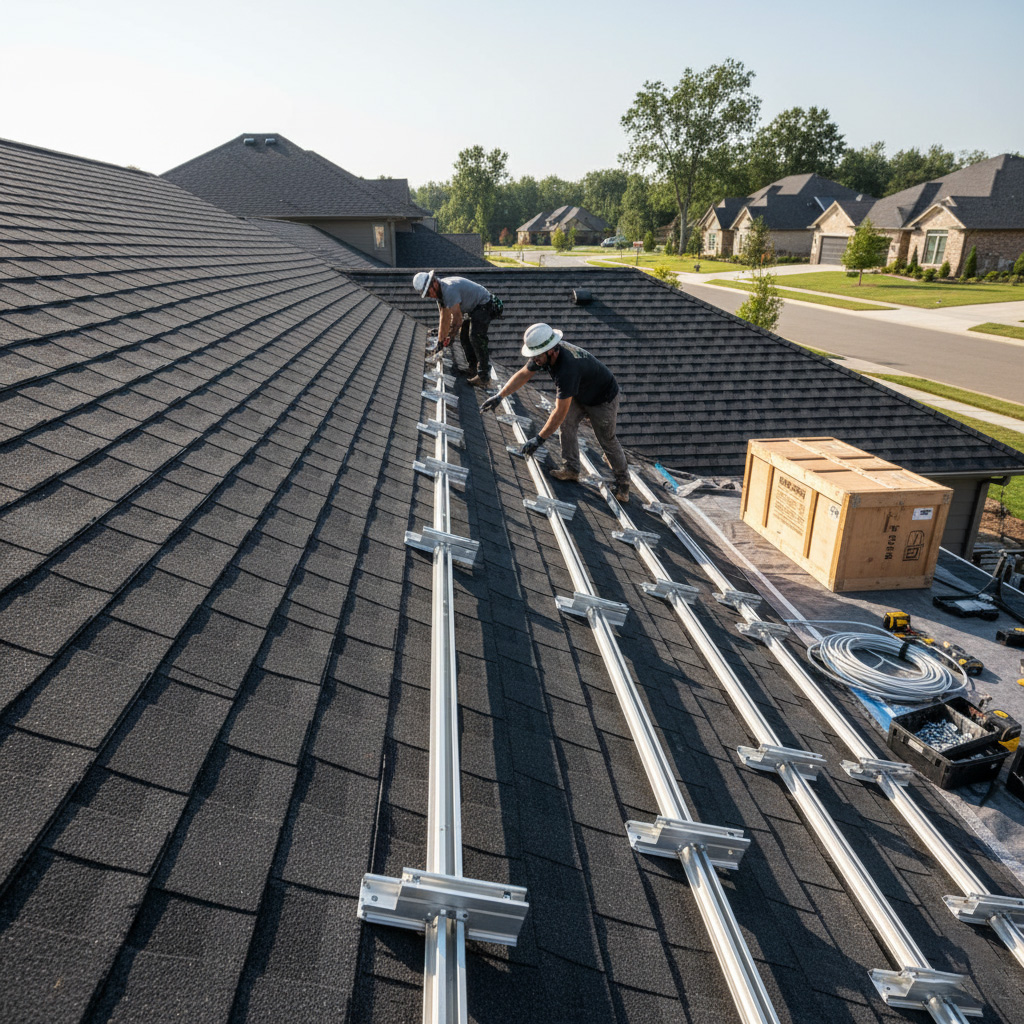
Why Proper Roof Ventilation is Essential for Newark Homeowners
Picture this: your roof lasts 20-30 years longer with good airflow. Poor ventilation traps heat and moisture, cracking shingles and rotting wood. Fix it now, or watch repair bills skyrocket.
Top Reasons Newark Homes Need It
- Blocks ice dams in brutal winters – no more cascading water damage.
- Cuts summer attic heat by up to 30 degrees, slashing AC costs.
- Stops mold growth that wrecks insulation and health.
Newark's sticky humidity turns attics into steam rooms without vents. That means faster shingle wear and sneaky leaks you spot too late. Proper systems keep air moving, drying everything out fast.
Bottom line? It protects your biggest investment. Homeowners who install early dodge thousands in fixes. Your roof thanks you with decades of solid performance.
Types of Roof Ventilation Systems Ideal for Newark Roofs
Newark's sticky summers and freezing winters demand ventilation that pulls hot, damp air out fast. Skip the guesswork. Pick systems built to handle our brutal weather swings.
Passive Ventilation: Quiet and Reliable
These work without electricity. They rely on natural airflow to keep things balanced.
- Soffit and ridge vents: Cool air enters low through soffits, hot air exits high at the ridge. Perfect combo for Newark homes, cuts condensation by 50% or more.
- Gable-end vents: Great for older roofs. They vent side walls, but pair them with ridge vents for max pull.
Active Ventilation: Power Up When Needed
Need extra oomph during heat waves? These kick in with fans.
- Turbine vents: Wind spins them like crazy in Newark gusts. Pulls massive air volumes without power bills.
- Powered attic fans: Thermostat-triggered beasts. They suck out humidity before it turns to leaks, ideal if your attic hits 130°F.
Match the type to your roof pitch and size. Our crews calculate exact needs for Newark conditions, so you get peak performance every storm season.
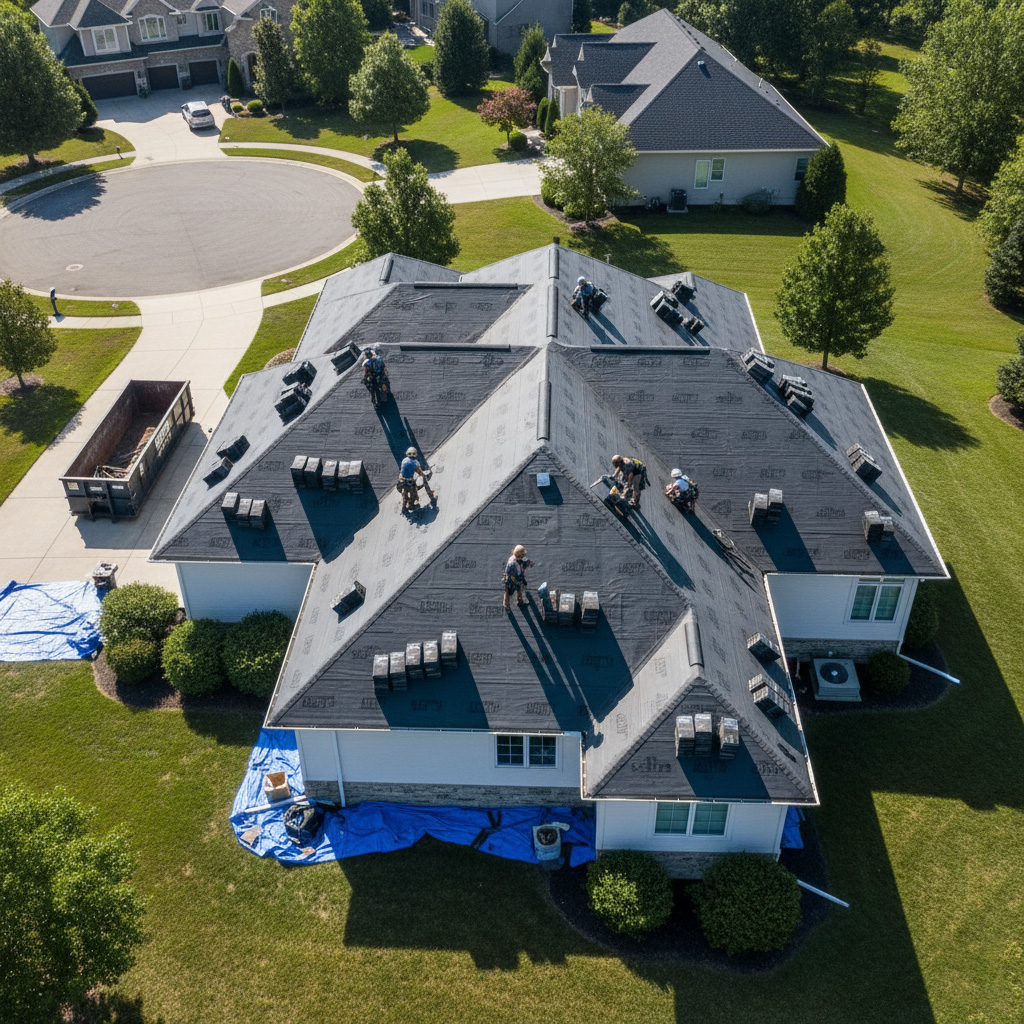
Professional Roof Ventilation Installation: What to Expect
Call in the pros, and they kick things off with a thorough roof inspection. No guesswork here. They'll climb up, check your attic space, measure airflow, and spot any rot or blockages right away.
Next comes picking the right system for your Newark roof. Expect a quick chat about your home's size, roof pitch, and that steamy local climate. They'll recommend ridge vents, soffit vents, or a powered fan setup that actually works.
The Installation Day Breakdown
- Prep work: Tarps down, ladders up, safety gear on. Your yard stays clean.
- Cutting and fitting: Precise holes for vents, sealed tight against leaks. Takes 4-8 hours, depending on roof size.
- Testing: Airflow check with a meter. They won't pack up till it's pulling right.
- Cleanup and walkthrough: No nails left behind. You get the full rundown on maintenance.
Post-job, your roof breathes easy. Energy bills drop. Leaks? Ancient history. And that peaceful sleep after storms? Yours for years.
Case Study: Rescuing a Newark Family's Roof from Ventilation Failure
Meet the Rodriguez family in Newark's Ironbound neighborhood. Last summer, they noticed brown streaks on their bedroom ceiling after every heavy rain. Turns out, trapped attic heat from zero ridge vents caused ice dams in winter and constant condensation that punched holes through their asphalt shingles.
We showed up for a free inspection. Airflow tests revealed just 4 CFM of ventilation – way below code for their 1,800 sq ft roof. Shingles were curling, and mold was creeping into the rafters.
- Removed old blocked soffit vents.
- Installed a ridge vent spanning the full peak.
- Added four powered attic fans for Newark's muggy push.
Two days later, job done. No more leaks during the next thunderstorm. The Rodriguezes saved $12,000 on a full roof tear-off, and their energy bills dropped 18% from better attic cooling.
Today? That roof's bulletproof. They sleep sound, no drips in sight.
Final Thoughts
Don't let Newark's sticky summers and brutal winters turn your roof into a money pit. Poor ventilation isn't just a minor issue. It starts small leaks that explode into massive repairs.
Act now. Get your roof checked for ventilation problems before the next storm hits.
- Spot ice dams early.
- Feel for attic heat buildup.
- Call pros for a free inspection.
Our team handles Roof Ventilation Installation that fits Newark roofs perfectly. Skip the headaches. Protect your home today.
People Also Ask
How does poor roof ventilation cause leaks in Newark homes?
Poor roof ventilation traps heat and moisture in Newark's humid climate, causing shingles to deteriorate prematurely and ice dams or condensation to form, leading to leaks. Over time, this excess moisture weakens the roof deck and underlayment, allowing water to seep into the home. Installing proper ventilation systems prevents these issues by promoting airflow and reducing moisture buildup.
What are the early signs of inadequate roof ventilation?
Look for curling or buckling shingles, attic temperatures over 130°F, or excessive moisture and mold in the attic as key indicators. You might also notice higher energy bills from poor insulation performance or granule loss on shingles from heat damage. Addressing these signs early with professional inspection can prevent costly leaks.
Why is roof ventilation crucial for Newark's humid climate?
Newark's high humidity and temperature fluctuations create ideal conditions for moisture accumulation, which poor ventilation exacerbates into leaks and structural damage. Proper ventilation extends roof life, improves energy efficiency, and protects against mold growth common in New Jersey summers. Homeowners benefit from lower repair costs and a healthier living environment.
What types of roof ventilation systems work best in Newark?
Soffit and ridge vents provide balanced intake and exhaust airflow, ideal for Newark's varied weather, while powered attic fans offer extra circulation during humid spells. Box or turbine vents suit specific roof pitches common in local homes. A professional assessment ensures the right system matches your roof type for optimal performance.
How much does roof ventilation installation cost in Newark, NJ?
Costs typically range from $1,000 to $3,500 depending on roof size, vent type, and existing setup, with most Newark projects averaging $2,000. Factors like accessibility and additional repairs influence the price, but investing now prevents expensive leak damage later. Contact local experts for a free quote tailored to your home.

Newark Roofing delivers roofing services to homeowners and businesses throughout Newark, NJ. With years of hands-on experience, the team manages installations, repairs, and maintenance for diverse property types. Rooted in the local community, Newark Roofing addresses Newark's unique climate and structural needs.
Need Roofing?
Fast roof repairs and replacements in Newark, NJ and nearby areas, delivering leak-free, durable protection. (07102, 07103, 07104, 07105, 07106)
Get Roof Quote